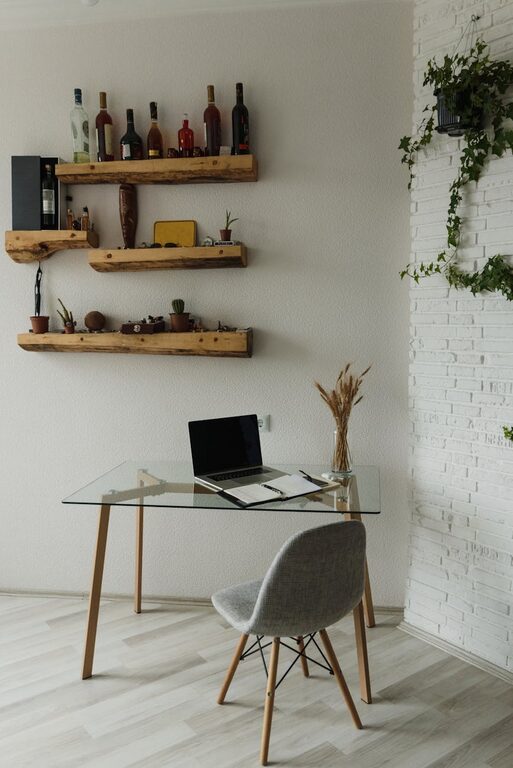
Creating a home office that is both cozy and functional can greatly enhance your productivity and overall work experience. Whether you work remotely full-time or occasionally need a space for focused tasks, setting up the right environment is key to staying motivated and comfortable throughout the day. In this post, we’ll explore practical tips to help you design a home office that feels inviting while supporting your work needs.
Choosing the Right Location
Finding the ideal spot in your home for your office is the first step. Consider these factors:
– Natural Light: Choose a space near a window if possible. Natural light boosts mood and energy.
– Quiet Environment: Pick a location away from busy areas to minimize distractions.
– Privacy: If you live with others, look for a room or corner where you can work without interruptions.
If you don’t have a separate room available, a well-organized nook or even a part of your living room can work well with the right setup.
Investing in Comfortable and Functional Furniture
Your furniture plays a crucial role in both comfort and functionality.
– Ergonomic Chair: Select a chair that supports good posture to prevent back and neck strain.
– Desk or Table: Find a desk that fits your space and work style. Standing desks or adjustable ones can offer variety.
– Storage Solutions: Incorporate shelves, drawers, or filing cabinets to keep your supplies organized and within reach.
Remember, comfort encourages longer periods of focused work, while organized storage reduces clutter.
Lighting: Balancing Function and Ambience
Proper lighting helps avoid eye strain and creates a pleasant atmosphere.
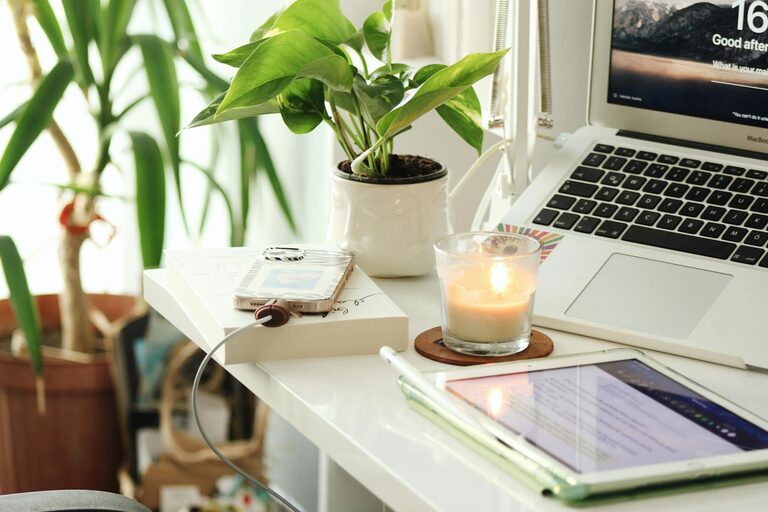
– Task Lighting: Use a desk lamp with adjustable brightness for focused work.
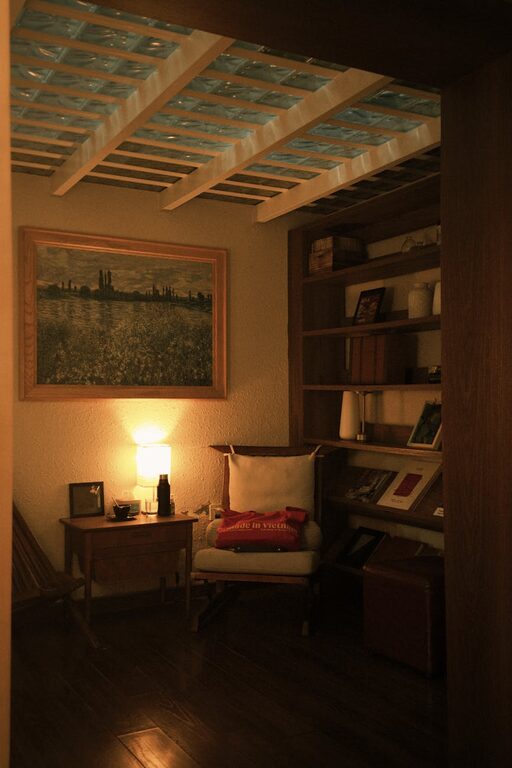
– Ambient Lighting: Soft overhead lights or floor lamps can create a warm, inviting glow.
– Avoid Glare: Position screens and light sources to reduce reflection and glare.
Layering different types of light makes your workspace adaptable for different tasks and times of day.
Personalizing Your Workspace
A home office should reflect your personality to feel welcoming.
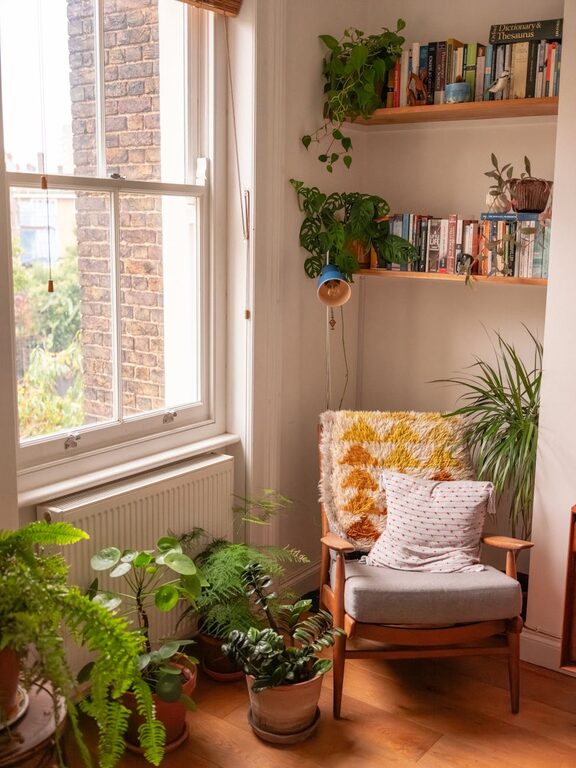
– Add Plants: Greenery improves air quality and adds a touch of nature.
– Decorate with Art: Inspiring prints or photos can make the space feel more motivating.
– Use Color: Choose colors that help you focus and feel calm, like soft blues or greens.
Personal touches create a positive environment and can uplift your mood during work hours.
Organizing for Efficiency
Clutter can lead to stress and distraction, so keep your workspace tidy.
– Use Desk Organizers: Trays, pen holders, and cable organizers keep your desk neat.
– Declutter Regularly: Set aside time weekly to tidy and remove unnecessary items.
– Label Storage: Mark boxes and drawers for easy access and to save time searching.
An organized space helps maintain mental clarity and improves your workflow.
Maximizing Technology and Connectivity
Ensure your home office supports your tech needs efficiently.
– Reliable Internet: A strong and stable connection is essential for online meetings and research.
– Cable Management: Use clips and sleeves to keep cords tidy and prevent tangling.
– Backup Power: Consider a surge protector or battery backup for critical equipment.
Optimizing your technology setup reduces frustration and supports uninterrupted work.
Creating Boundaries Between Work and Home Life
Especially when working from home, it’s important to separate work time from personal time.
– Define Work Hours: Set a schedule and try to stick to it.
– Physical Divider: Use a screen or curtain if your workspace is in a shared area.
– Clear End-of-Day Routine: Shut down your computer and put away work materials to signal the end of the day.
These habits can help maintain balance and prevent burnout.
Incorporating Comfort Elements
Adding a few comfort features can make your home office more inviting.
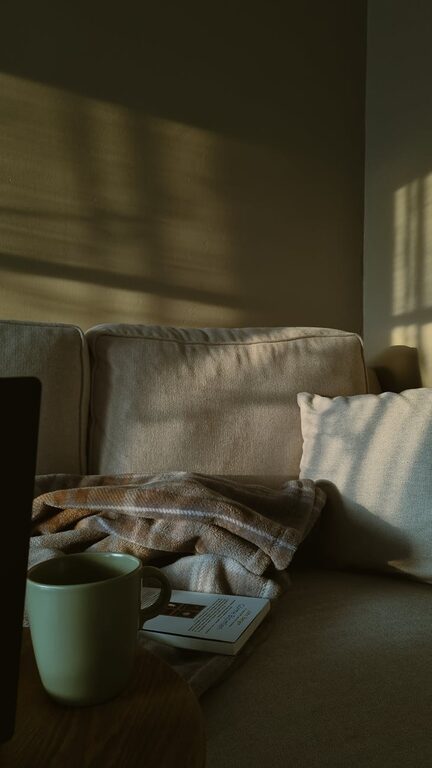
– Soft Textiles: A cozy rug or cushion can improve seating comfort.
– Temperature Control: Use a fan or heater as needed to stay comfortable.
– Refreshment Station: Keep a water bottle or small snack nearby for convenience.
Comfortable surroundings support focus and reduce stress.
—
Creating a cozy and functional home office doesn’t have to be complicated. By focusing on location, furniture, lighting, personalization, organization, technology, work-life boundaries, and comfort, you can design a space that not only meets your work needs but also makes your day more enjoyable. Start small, adjust as you go, and create a home office that helps you thrive.
About the Author